The PiePal Mafia
Put your friends in business.

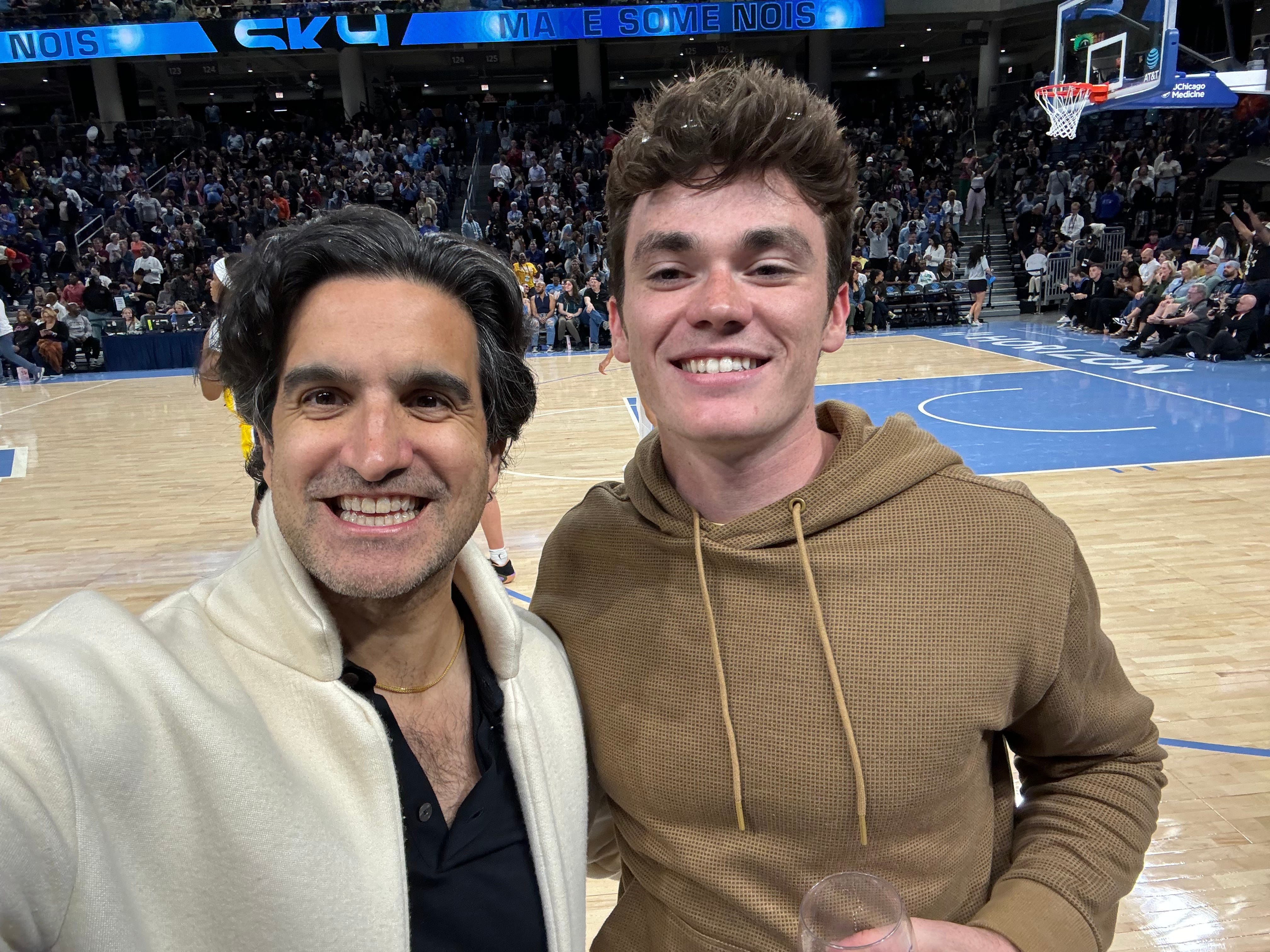
Entrepreneurial ecosystems don’t work without angel investors who write checks to put their friends in business.
Every ecosystem that produces enduring companies has a social density of builders backing each other in a virtuous cycle.
They start companies together. They dream together. They back each other.
They argue, learn, fail, and try again.
The density is the point. Density of talent. Density of conversations. Density of delusional self-belief. And an overlooked element: density of first-check, angel money.
Advice only goes so far.
There needs to be a large base of financially promiscuous angels who put their friends and those coming up in business before institutional capital comes in.
In Silicon Valley, it was the PayPal Mafia.
In New York, it was a looser—but eventually powerful—network of founders and builders and angels who made money together and began to back each other. I watched the NYC scene unfold from 2007 to 2020 with my own eyes.
I want to see that again.
Chicago has talent. It has an ecosystem.
But the ecosystem has a flaw: people don’t throw money around. The ones who would do it don’t have it, and the ones who have it won’t do it.
Why?
This is an old money town. The capital is locked up with rich people who for the most part don’t invest in startups.
Their grandfathers and great-grandfathers built enduring things.
But too many of them don’t realize how big of a difference they could make in helping today’s founders take the same kinds of risks their grandparents took.
We have other flaws in Chicago. We’re sometimes lacking audacity, hubris, and candor. We’re sometimes lacking that delusional self-belief. We often don’t tell each other the truth when we don’t like an idea.
But most tangibly this: we’re lacking angels who write $50,000 checks after one meeting.
And while many are trying valiantly, we’re still lacking venture capitalists who show up as VCs rather than private equity investors.
Typical early-stage venture capital meeting #1 in Chicago is:
“Yes, but how are you going to make money?”
One potential answer:
“How are you going to make money when your coastal competition doesn’t lead with that question?”
Founders don’t succeed in isolation. Not at the beginning. They succeed because they’re surrounded by people who raise their ambition, sharpen their thinking, show up when it matters, and back them with real money.
That’s the idea behind what we half-jokingly call the PiePal Mafia.
Right now it’s just a twinkle in our eye.
Shout out to Sam Burke — as our first Chicago full-time employee, he decided to build his own thing last year and now he’s the first founding CEO of the mafia.
His company is called Hale.
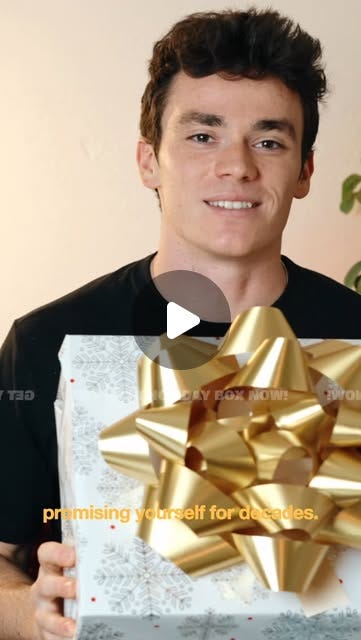
I wrote Sam that $50,000 check partly because I like what he’s building — a marketplace for men’s skincare with an AI-driven algorithm. I believe in backing men’s trends early at cultural and technological inflection points. Bonobos was a version of that once.
And I find men’s skincare dizzying. Even with Manuela’s help. An AI-native, digital Sephora for men seems possible to me.
Mostly I did it because I believe in Sam. He has audacity. He is curious. He is self-taught. He can be candid. And he has the right, dizzying mix of hubris and self-flagellation. It’s painful to bear it but it’s table stakes to doing it.
I also know Sam got a good crash course on how hard it is to build stuff here at Pie, and that it’s my job to help him be successful.
Because I love this city. Because I love this team.
And because I love Pie, I also love the people that leave it.
The measure of a great entrepreneurial company is how many entrepreneurs it produces.
Chicago built America once. Let’s do it again.
This is a mafia town. Time to start acting like it.
If you wanna stay in touch with Sam, follow Hale on Instagram and hit him up on LinkedIn.
Dunn distribution!
Dunn speaking facts